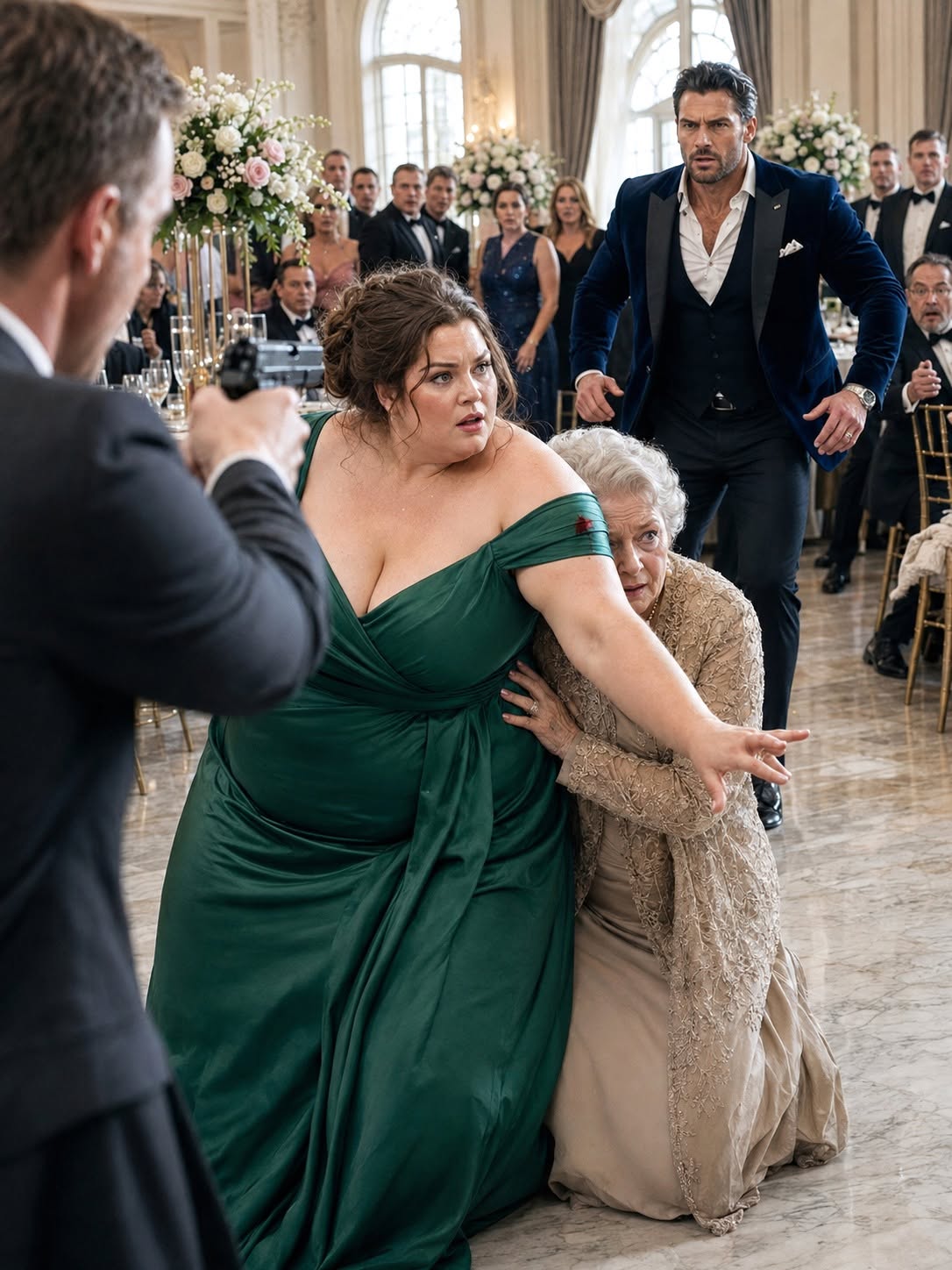
Chapter 3 - The Ghost of Memory Lane
By 4:00 AM, we had reached my cramped, second-floor apartment in downtown Columbus.
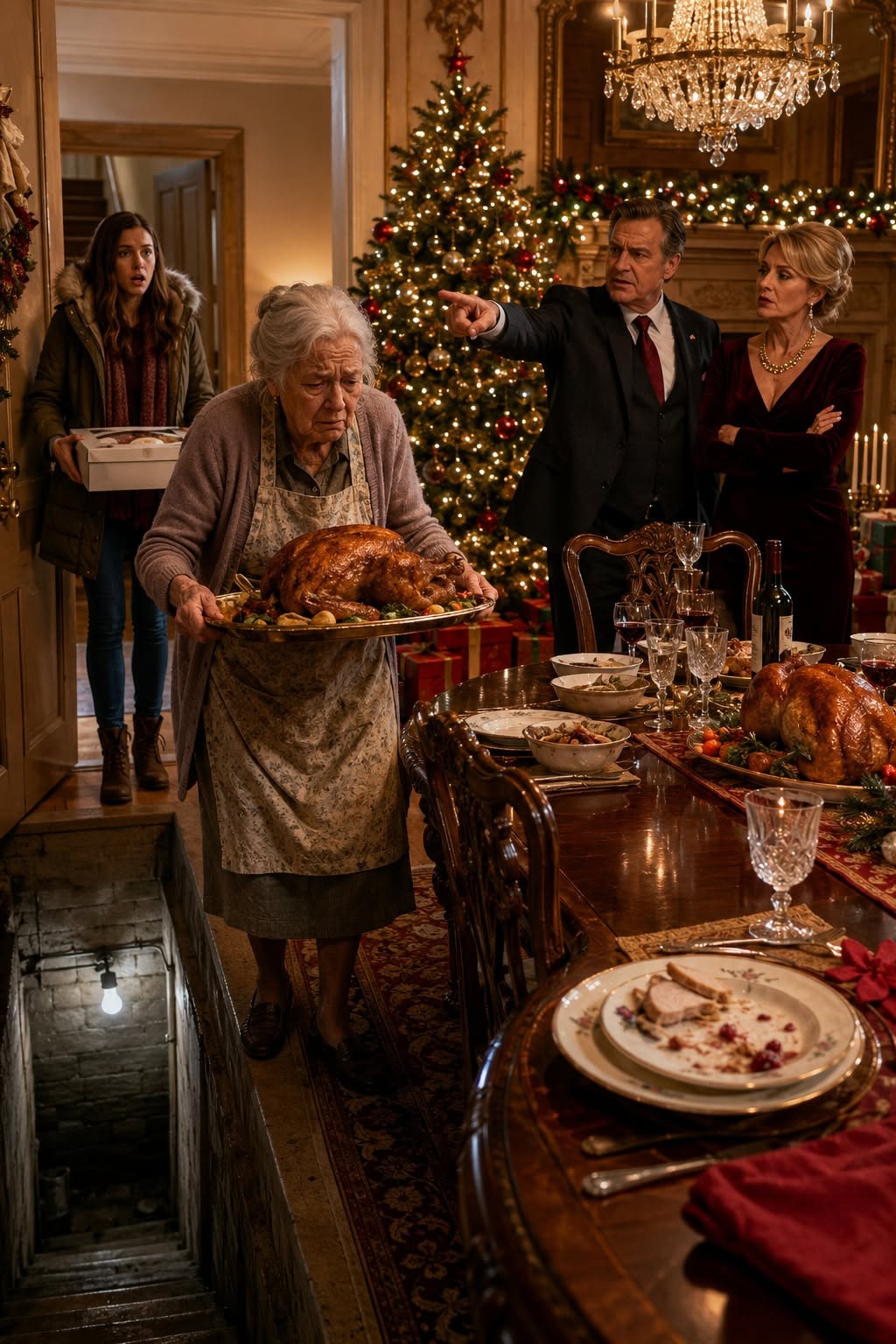
It wasn't much—just two small bedrooms, peeling wallpaper in the hallway, and a radiator that clanked loudly whenever the heat kicked on—but the moment we stepped inside, it felt like paradise compared to the basement prison Grandma had endured for three years.
I brewed a pot of hot chamomile tea with honey, wrapping Grandma in three layers of thick wool blankets on my worn-out sofa. She held the steaming mug between her trembling hands, staring around the room as if she were seeing color for the first time in a decade.
“You’re safe here, Grandma,” I said softly, sitting on the coffee table in front of her and taking her cold hands in mine. “No one is going to lock you up. No one is going to make you sleep on a cot.”
She blinked, a tear finally spilling over. “I thought... I truly thought I was going to die down there, Audrey. After your grandfather passed away, Patrick and Joanne said my mind was going. They told me I couldn't manage my own affairs anymore. They took my phone, my checkbook, and my car keys. They told the neighbors I had dementia and had to be kept safe.”
My blood boiled. Dementia. She was sharper than Patrick on his best business day. She had just been trapped by narcissistic bullies who smelled weakness and exploited it.
“They lied,” I said, my voice hard. “Every single thing they told people was a lie. How did they even get control of your house and your money?”
Grandma took a slow sip of tea, staring into the middle distance as old memories resurfaced.
“It started right after Edward—your grandfather—died,” she explained, her voice steadying. “Edward left everything to me. Not to Joanne, not to Patrick. To me. He knew Patrick was a gambler and a fraudster. But when I was grieving, they brought over a stack of papers. They said it was just paperwork to help me pay the property taxes and manage medical bills. I signed what they pointed to. I trusted my own daughter.”
A dark realization began to form in the back of my mind. “Grandma... what did Grandpa Edward leave behind? What did you own before they moved you into that basement?”
Grandma looked at me, a strange, knowing glint appearing in her faded blue eyes. She reached into the deep pocket of her old coat, which draped over the back of the sofa, and pulled out a heavy, ziplock freezer bag. It was sealed with duct tape.
“When Patrick took my purse three years ago,” she whispered, leaning in close, “he missed the hidden pocket lining. I managed to stash these away before they stripped my room.”
She handed the bag to me. My fingers trembled as I broke the tape and pulled out the contents.
Inside were original, embossed land deeds, stock certificates, trust agreements, and bank statements dating back decades. I unfolded the heavy parchment of the primary deed.
My breath caught in my throat.
It was a commercial property portfolio in downtown Chicago and suburban Cleveland, plus several residential land tracts and oil leases. And attached to it was a certified appraisal and asset valuation statement dated just five years prior.
Total net worth: $10,482,500.
Ten million, four hundred eighty-two thousand, five hundred dollars.
My hands shook so violently I almost dropped the papers. The Callahan household—the luxury truck, the velvet dresses, the gold necklaces, the twelve-foot Christmas tree, the arrogant parties—was all built on an empire they had illegally seized, forged, and manipulated out from under a seventy-four-year-old woman they treated like a slave.
May you like
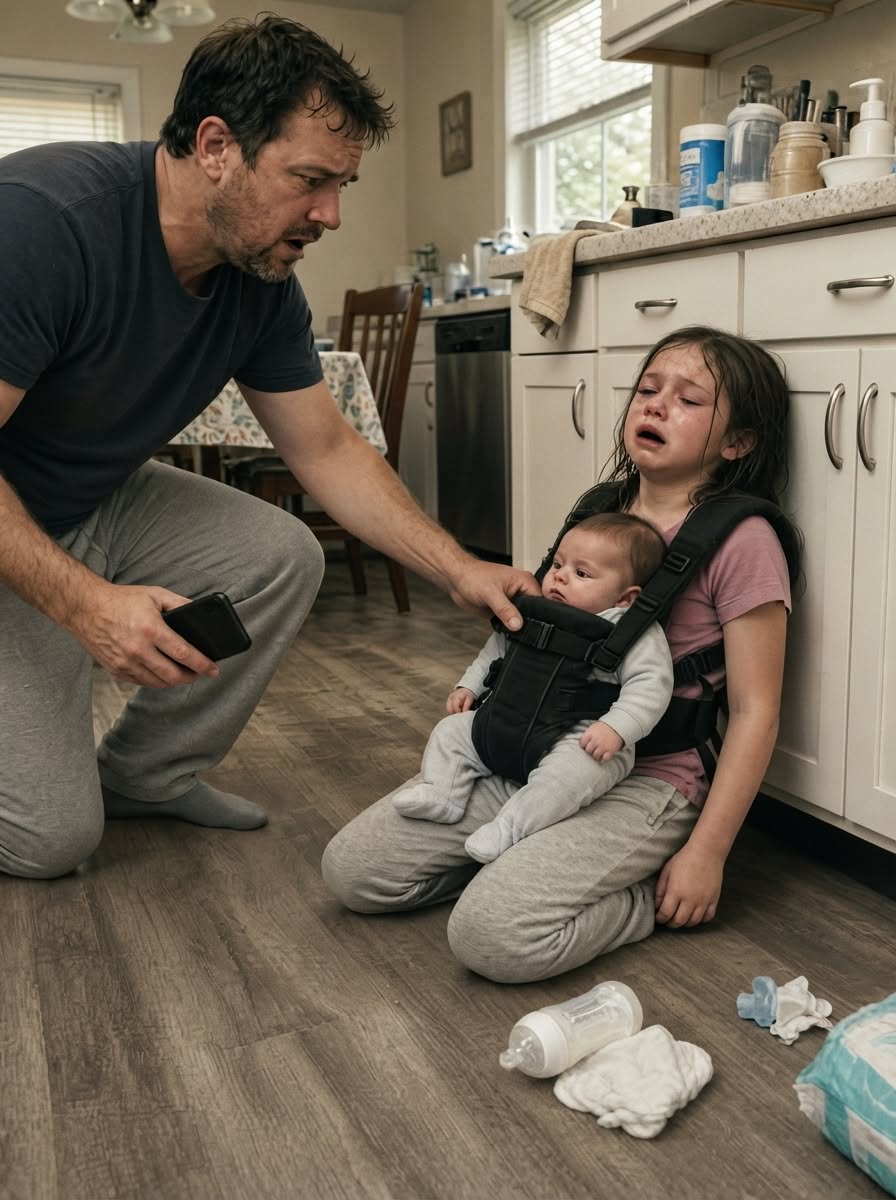


“They stole everything,” I breathed, staring at Grandma in disbelief.
“They thought they did,” Grandma replied, a faint, steely smile touching her lips. “But Edward taught me a long time ago, Audrey: a thief always leaves a signature. And Patrick Callahan signed his name all over documents he had no legal right to touch.”