Chapter 8 - The Price of Denial

In December, the winter snow arrived heavy and fast.
My father’s accounting firm went into official liquidation proceedings three weeks before Christmas.
The loss of his major corporate clients, combined with the public exposure of his family dynamic, had triggered a domino effect. Senior partners had resigned, taking their staff and client lists with them to rival firms.
One cold Tuesday evening, as I was finishing my shift at the veterinary clinic, my father was waiting for me outside in the parking lot.
He didn't drive his luxury Mercedes anymore; he was sitting behind the wheel of a five-year-old midsize sedan. He wore his heavy wool overcoat, but he looked smaller, thinner, his grey hair unkempt beneath his hat.
When I stepped out into the snowy air, he opened his car door and stood up.
“Amber,” he called out.
I stopped near my small, reliable used hatchback—a car I had purchased three weeks ago with my own money from my new job.
“Dad,” I said, keeping my distance.
My father walked toward me, his hands shoved deep into his coat pockets. He looked around the quiet parking lot as if making sure nobody was watching.
“I’m selling the house,” he said abruptly, his voice raspy from the cold air.
I stayed silent.
“The bank is foreclosing on the property next month,” my father continued, staring down at his boots. “We’re moving into a two-bedroom condo in Framingham. Your mother... she’s not doing well, Amber. She doesn't talk much anymore.”
I felt a faint, distant ache in my chest, but it was no longer the suffocating pressure of panic. It was simply sadness for two people who had built an entire world out of fragile glass and were shocked when it finally shattered.
“I’m sorry to hear about the house, Dad,” I said honestly.
My father looked up at me, his pale eyes searching my face. “If you came home... if we made a joint public statement... the bank offered a restructuring plan based on family asset re-evaluation. If we presented a united front—”
He was still doing it.
Even now, sitting amidst the ruins of his life, his first instinct was not to ask how I was doing, or where I was sleeping, or whether my lungs were healthy. His first instinct was to use me as a leverage tool to fix his financial credit.
“No, Dad,” I said quietly.
My father’s shoulders slumped. The last remaining spark of control drained out of his posture.
“You’re really never coming back, are you?” he asked, his voice barely above a whisper.
“I can’t,” I replied. “Because if I come back, I lose my breath again. And I like being able to breathe.”
May you like
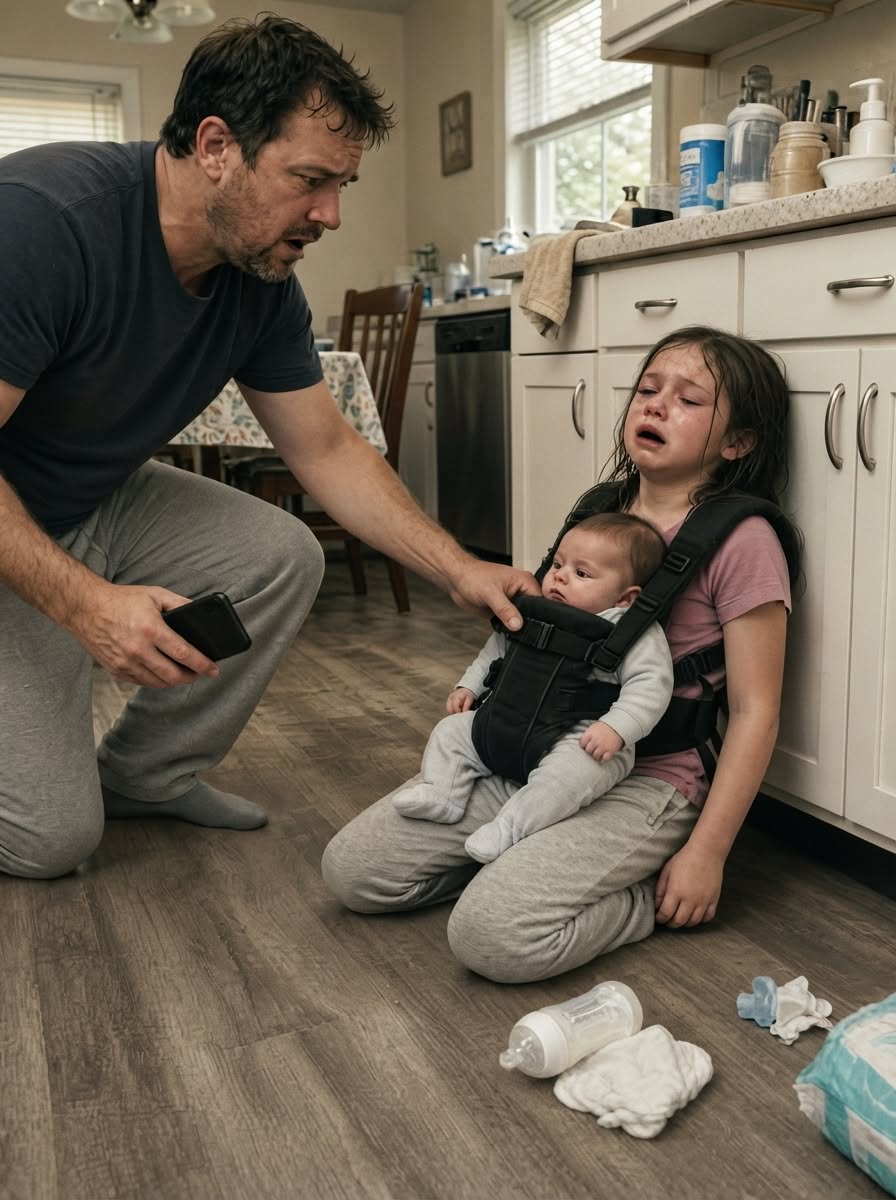


My father stared at me for a long time. For the first time in my life, I saw something resembling regret flicker in his eyes—not regret for how he had treated me, but regret for realizing that his power over me was gone forever.
Without another word, he turned around, walked back to his sedan, got inside, and drove away into the falling snow.