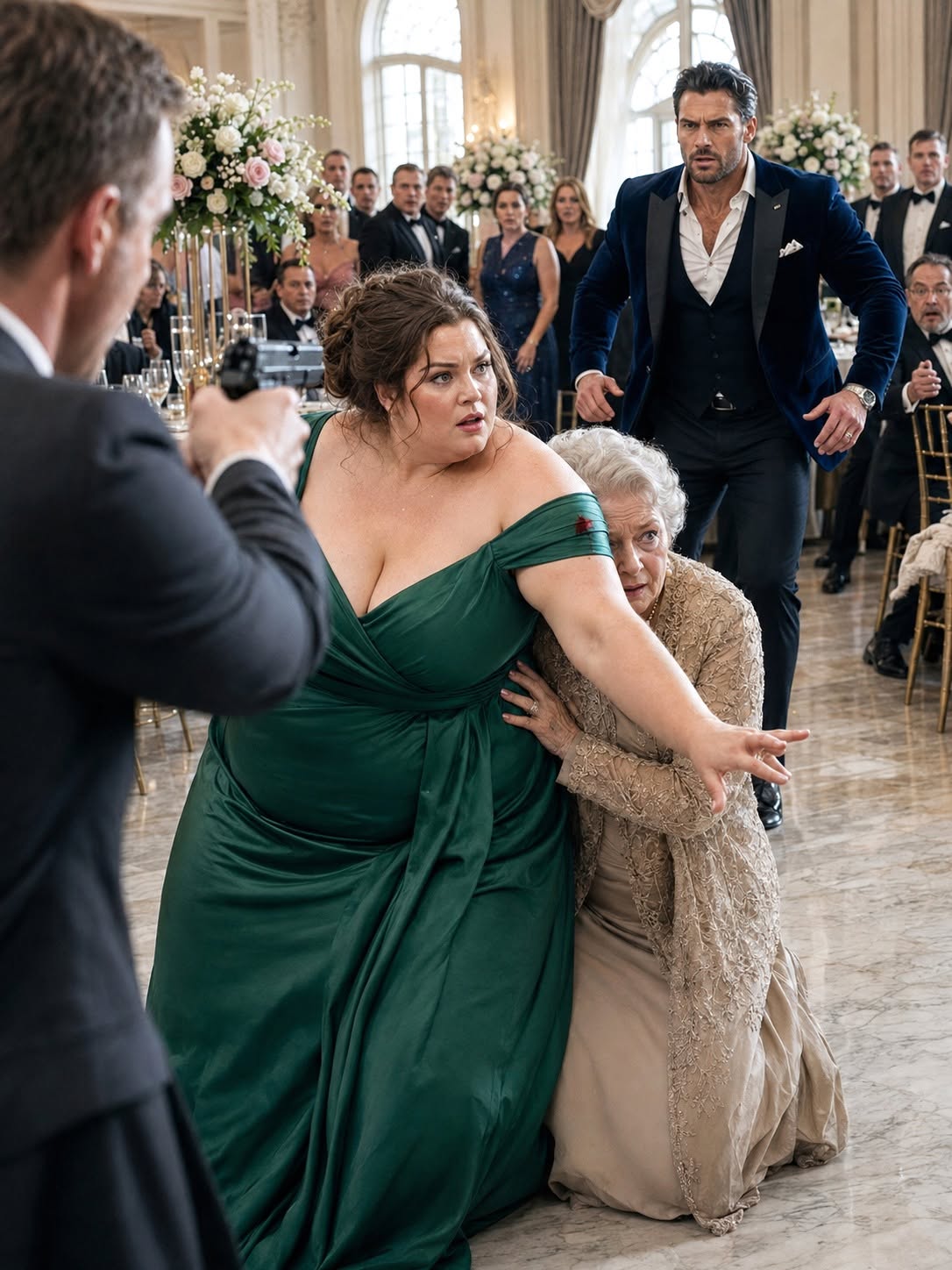
Chapter 2 - The Decryption of the Past

The digital clock on the microwave glowed 3:42 AM. In the quiet warmth of Audrey’s third-floor apartment in Cincinnati, the city outside hummed with distant traffic, a stark contrast to the suffocating, frigid silence of the basement in Grand Rapids.
Rosalyn was asleep on the pull-out sofa in the living room, wrapped in three heavy quilts, her breathing finally calm and rhythmic. For the first time in three years, she wasn't listening for heavy footsteps on the ceiling or dreading the morning bell that signaled her endless chores.
Audrey sat at her small kitchen table, the overhead light casting a sharp yellow glow over the contents of the rusty metal box.
She carefully unfolded the yellowed papers. Her fingers trembled slightly as she examined the documents. There were original land deeds dating back to 1968, signed by her late grandfather, Thomas Miller. There were share certificates in a defunct manufacturing conglomerate that had recently been bought out by a multinational tech and logistics park developer. And pinned to the back was a notarized affidavit dated just six months after her grandfather’s death.
“Grand Rapids Industrial District, Parcel 4B,” Audrey whispered, reading the legal description aloud.
She pulled out her laptop, opened a browser, and began cross-referencing the parcel number with public county records and commercial real estate databases. At first, the numbers looked like standard municipal data: zoning codes, tax assessments, acreage maps. But as she dug deeper into recent commercial zoning amendments for Kent County, Michigan, her breath caught in her throat.
The city of Grand Rapids had approved a massive multi-billion-dollar transit and logistics corridor expansion project. Parcel 4B—forty acres of neglected industrial land sitting directly adjacent to the new highway interchange—was no longer just an empty tract of old warehouses. It was the absolute linchpin of the entire multi-state logistics project.
According to the latest public valuation filings from the county assessor’s office, commercial developers were currently acquiring surrounding parcels at rates exceeding two hundred thousand dollars per acre. Forty acres. Unencumbered. Fully owned by Thomas Miller—and, following his passing and probate transfer, his sole surviving spouse, Rosalyn Miller.
A conservative market valuation placed the property at nearly eight million dollars.
Audrey stared at the screen, the numbers blurring through a sudden rush of angry tears.
“Mom lives here without paying rent,” Joanne’s voice echoed sharply in her memory, accompanied by the clinking of her mother's expensive new necklace. “The least she can do is help out.”
They hadn't just mistreated an elderly woman out of casual cruelty or heartlessness. They had deliberately imprisoned, isolated, and starved her to keep her completely ignorant of her own immense wealth.
By keeping Rosalyn locked in a damp basement, Patrick and Joanne had been able to pose as her legal guardians and conservators, quietly forging signatures on preliminary lease options and corporate buyout agreements with a predatory development firm called Sterling Real Estate Holdings.
Audrey found a folder at the bottom of the box labeled Sterling Communications. Inside were letters addressed to Patrick Callahan, detailing a pending lump-sum buyout offer of $4.2 million for Parcel 4B—contingent upon the immediate signature of the primary deed holder, Rosalyn Miller.
A signature that Patrick and Joanne had been trying to coerce out of her for months, using starvation, psychological terror, and the constant threat of a state asylum.
May you like


Audrey closed the laptop slowly. Her heart pounded with a fierce, cold fury. They hadn't just stolen her grandmother’s dignity. They had engineered a multi-million-dollar corporate heist, using an elderly woman as a disposable prisoner in her own home.
And they had no idea that the metal box was now sitting three hours away in a Cincinnati kitchen.